
Mauri Oho
Northern Ruahine Biodiversity Recovery Project
Ka tū matou hei hono te tihi o Tupari, mai i te wai rere o Ikawetea,
tae atu ki te whenua o Mōkai Pātea, Tamatea me Kererū
Ka tū matou hei hono te tihi o Tupari, mai i te wai rere o Ikawetea,
tae atu ki te whenua o Mōkai Pātea, Tamatea me Kererū
On 24 April 2026 Mauri Oho ran a wānanga/hui at Mākirikiri Marae in Dannevirke. It was a day to collaborate and celebrate with the whānau and organisations who work to protect and enhance Ruahine. The wānanga was also an opportunity for our tamaraki from local kura kaupapa and schools to learn about some of the mahi that Mauri Oho and other organisations do to protect Ngā Pae Ruahine.
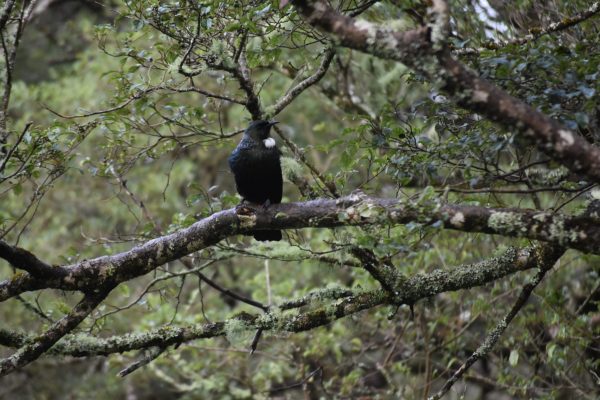
On 25 April 2026 we took a team up to Aranga Hut to check and maintain one of the many trap-lines. We also captured some amazing footage of Ngā Pae Ruahine and recorded interviews with our whānau and Kaimanaaki Taiao in their element. We were blessed with the weather which made it an even greater opportunity to promote our vision and our kaupapa.
Check it out!! Ka mau te wehi!!
Please click on panels to the right to view interviews with our whānau who share their stories working for Mauri Oho and experiences and relationships with Ruahine.
As part of the central spine of Te Ika a Māui, Te Pae Maunga o Ruahine heads South from a saddle on the Napier-Taihape Rd to the Manawatū Gorge. The total area of the Mauri Oho Project is 59,000ha in the Northern Ruahine Range. This comprises about 39,000ha on public conservation land and 7,000ha on Māori Trust Lands. The remaining 13,000ha is on streams running through neighbouring farmland in the Kererū district. Altogether the public conservation land and the Maōri Trust Lands constitute about half the total area of the Ruahine Range.
Interwoven through each of the four pou are training pathways that have been mapped for all roles. This will ensure transferable skill sets for kaimahi into both the predator free industry and the wider conservation sector.
We have included Mātauranga Māori knowledge connectivity across mana whenua within the project area.
This work will be conducted in the waterways that run through the farmlands of the Kererū and Mōkai districts. It will include fencing, planting, nursery work and pest-plant control leading to cleaner waterways and native bush corridors to welcome the returning wildlife.